/Swept%20Website/All%20Icons/icons/scheduled%20event.svg)


/Swept%20Website/All%20Icons/icons/webinar.svg)

If you’ve been searching for commercial cleaning software, you’ve probably noticed one thing: there are a lot of options — all claiming the same thing: “Save time. Save money. Grow your business.”
Here’s the reality: a tool that works for a solo cleaner won’t scale for a growing commercial operation. Multi-site contracts, dozens of cleaners, inspections, and client requests require software that supports your business stage and operational complexity.
Not sure how different platforms compare? Check out our expert breakdown of the best janitorial and commercial cleaning software to see which systems match your growth stage.
Why Choosing the Right Commercial Cleaning Software Matters
Choosing software isn’t just about features — it’s about solving your business’s biggest bottlenecks while enabling growth. The right system helps you:
- Schedule and manage teams across multiple locations
- Maintain consistent quality with inspections
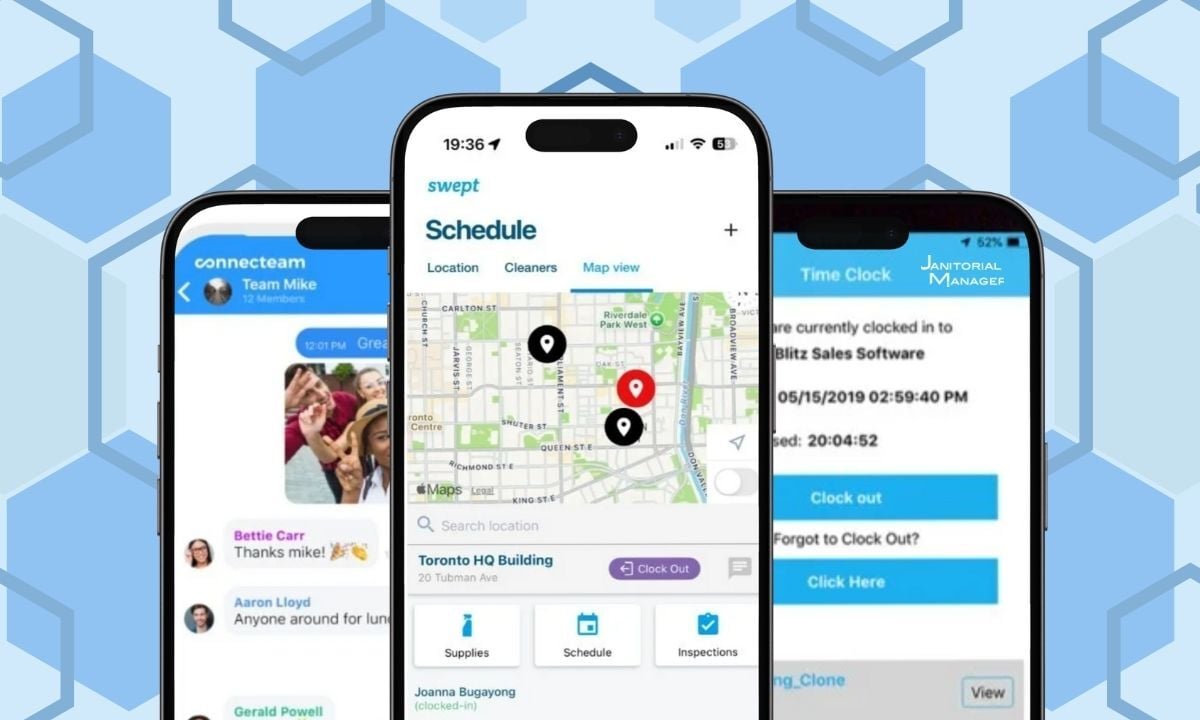
- Streamline operations with mobile tools and time tracking
- Ensure compliance with labor and break rules
Commercial cleaning software isn’t just a back-office tool — it’s a growth engine and a competitive advantage.
1. Business Size & Stage: The Complexity Test
The first question isn’t “What features do I need?” — it’s “Was this software built for a business like mine?”
Early Stage (1–10 cleaners)
- You’re still on the job yourself
- Need simple scheduling, basic communication, and easy clock-in/out
Growth Stage (15–100+ cleaners)
- Multiple locations, supervisors, language barriers, and inspections
- Look for purpose-built tools such as:
- Scheduling software for multi-site shifts
- Mobile crew management to manage teams on the go
- Inspection software to standardize quality across sites
- Optional: ERP integrations, inventory tracking, reporting dashboards
Swept shines for the growth stage, helping managers scale operations while keeping control over teams, quality, and revenue.
Enterprise Stage (500+ cleaners)
- Managing unions, payroll compliance, and massive inventory requires heavyweight ERP systems or custom solutions
2. Adoption Hurdle: Will Your Cleaners Actually Use It?
Even the most powerful software is useless if your team won’t use it. Adoption barriers include:
- Language differences
- Older or incompatible smartphones
- Tech hesitation
Software should solve these challenges:
- Built-in translation (100+ languages)
- Mobile-friendly apps designed for field crews
- Task instructions by location and site
- Security access linked to each location
- Easy clock-in/out via time tracking app
- In-app onboarding, guides, and tutorials
- Dedicated support and training
These strategies reduce friction, ensure adoption, and keep operations smooth. Pilot programs or internal “champions” can also help increase usage.
3. Proof of Work: Visibility Without Micromanaging
Managers need assurance that work is completed, but without intrusive tracking. Consider software that offers:
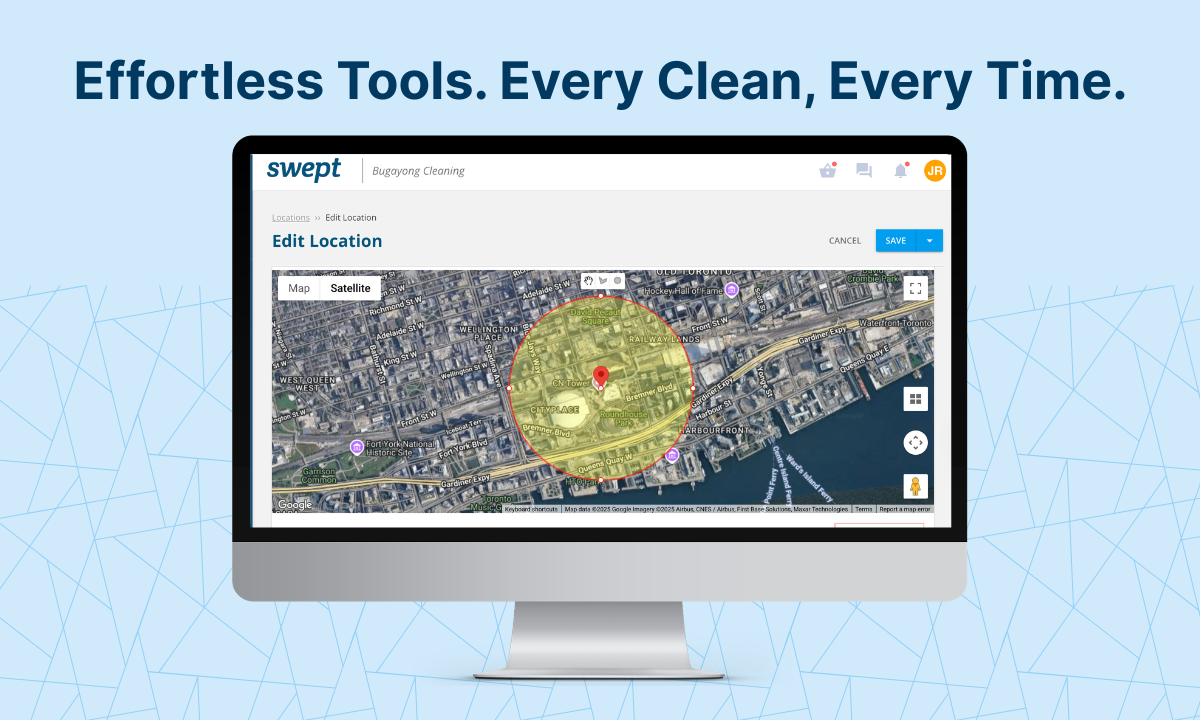
- GPS geofencing to verify on-site clock-ins
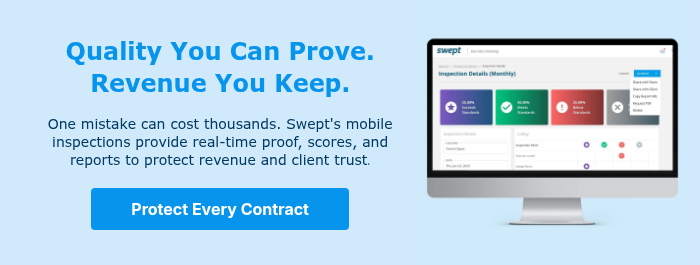
- Standardized inspection checklists
- Performance tracking by location and task
- QR code scanning, photo verification, or digital logs
These tools protect payroll accuracy, prevent missed tasks, and provide proof of service — enhancing client trust and operational credibility.
4. Operational vs. Financial Focus: Solve the Right Problem
Identify whether your biggest bottleneck is operational or financial:
Operational challenges
- Missed tasks or shifts
- Quality complaints
- Supervisor oversight gaps
Operational solutions to consider
- Inspection software for consistent quality
- Location-based messaging for timely updates
- Work orders and one-off service tracking
- Mobile crew management for field oversight
- Optional: inventory tracking, supply chain insights, and KPI dashboards
Financial challenges might include bidding accuracy, invoicing, and profitability reporting — solutions may exist in other software platforms or as add-ons.
5. Pricing Models: Avoid the Growth Tax
Pricing structures vary widely and can affect long-term scalability:
- Per-user pricing: costs increase as your team grows
- Location/revenue pricing: scales with the number of sites rather than users
- Optional: tiered pricing or feature-based add-ons
Swept supports unlimited users, helping growing businesses avoid hidden “growth taxes.”
6. Support, Onboarding & Training: Where Most Software Fails
Buying software is easy — getting your team to actually use it is hard.
Look for software with:
- In-app onboarding guides, videos, and tutorials
- Live chat support during operational hours
- Compliance and break tracking
- Live virtual or in-person training programs
A strong software partner acts like an extension of your management team — providing guidance, training, and proactive support, not just a help desk.
7. Competitive Advantage: Beyond Operations
Software can also be a marketing and credibility tool. The right system demonstrates:
- Professional digital proposals and invoices
- Proof of completed work via inspections and reports
- Reliable team communication via mobile tools
- Streamlined quality tracking and accountability
Highlighting your systems in proposals, pitches, or client communications shows clients you’re professional, tech-savvy, and reliable — helping you win new contracts and retain current ones. Explore more operational support with Swept’s cleaning business tools.
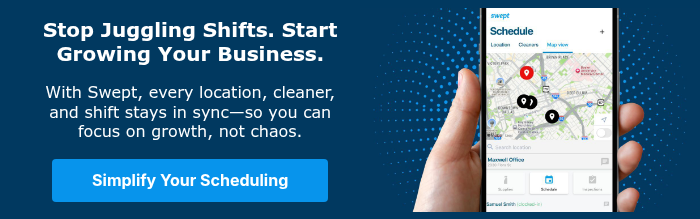
Ready to Scale With Confidence?
The right commercial cleaning software isn’t just a tool — it’s a partner in growth. The software you choose should:
- Match your business size and stage
- Overcome adoption barriers
- Provide visibility and proof of work
- Streamline operations while supporting compliance
- Offer training, guidance, and expert support
Swept provides the tools and guidance to help growing cleaning businesses:
- Keep teams on track across multiple locations
- Maintain consistent quality with inspections
- Streamline operations with mobile tools and time tracking
- Ensure adoption with onboarding, translation, and live support
See how Swept can help your business scale with control, not chaos: